
Curling
A look behind the fascinating winter Olympic sport of Curling.

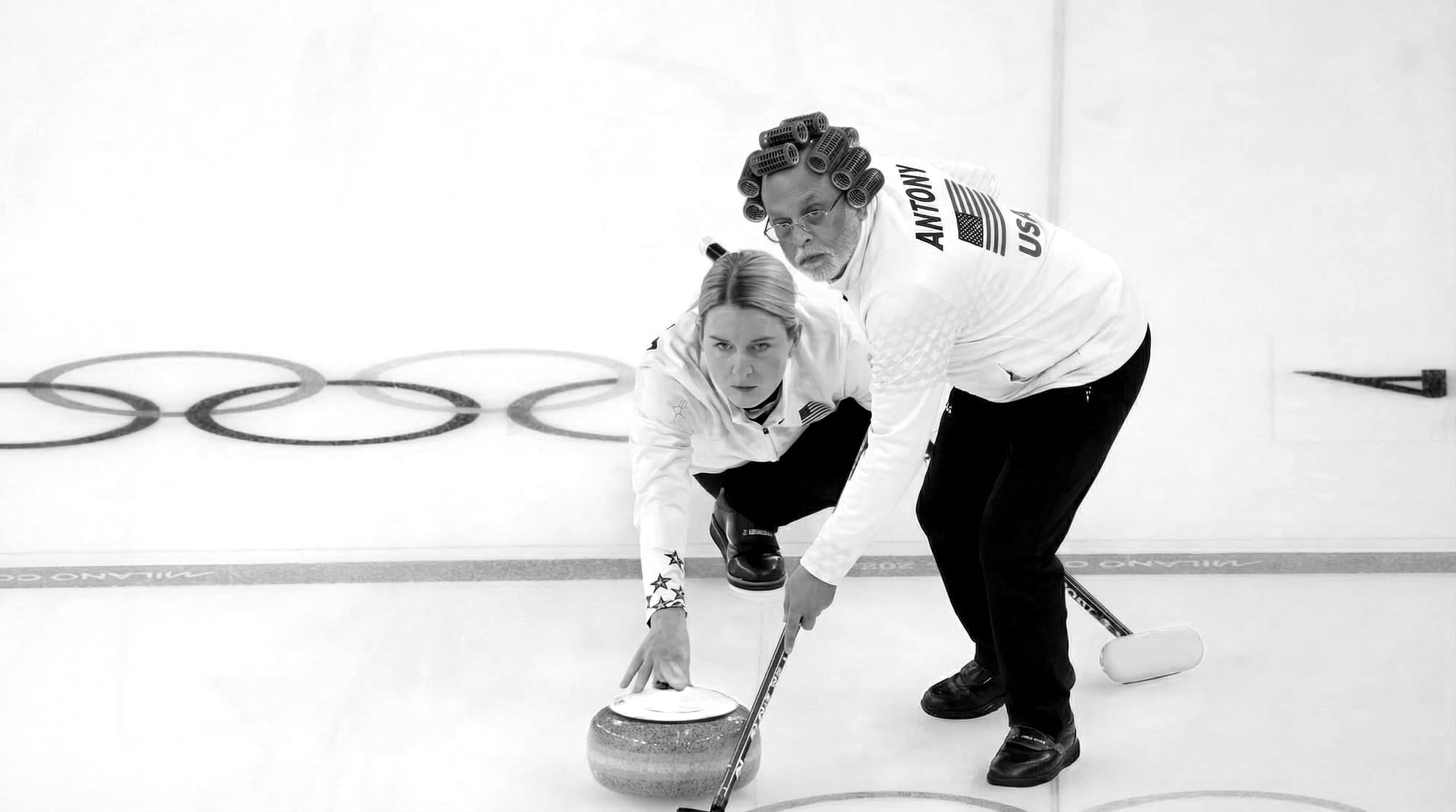
For my 5th newsletter, I chose the cover image of me curling. I am always fascinated that this sport only comes in the news once every four years with the Winter Olympics.
And I was lucky enough to find a nice video that explains all about it.
This video argues that curling is the most fascinating Olympic sport due to its unique characteristics, complex strategy, and an enduring physics mystery.
Key points:
- How Curling is Played The objective is to get the stone closest to the "button" in the "house". Players release the stone with a slight spin , causing it to "curl" . Teammates sweep in front of the stone to influence its path . The team with the stone closest to the button wins the round, with additional points for other stones closer than the opponent's . Curling is also known as the "gentleman's sport" due to its emphasis on fair play and respect.
- The Unique Curling Stones: All Olympic curling stones are made by one Scottish company from granite quarried on Ailsa Craig island. This island's unique geological composition results in a very fine-textured, water- and crack-resistant stone. Each stone costs over $600. The bottom of the stone is concave with a "running band" that touches the ice.
- "Chess on Ice" and Sweeping: Curling involves intricate strategy, leading it to be called "chess on ice". The team's captain, the "skip," directs the strategy and targets. Sweeping is crucial as it manipulates the ice. The ice surface is intentionally "pebbled" to allow stones to slide farther and smoother. Sweeping melts these pebbles, creating a thin layer of water that reduces friction and allows the stone to travel farther and straighter. Sweeping can also influence the stone's curl.
- Broomgate Scandal: In 2015, a "tech doping" scandal erupted over new brooms with directional fabrics that made sweeping too effective. Players compared these brooms to "joysticks" as they significantly altered the game's balance by allowing sweepers to steer the stone entirely. This led to a consensus among teams to ban these brooms, and the World Curling Federation eventually regulated them.
- The Unsolved Physics Mystery: Curling stones defy typical physics: they curl in the same direction they spin. This contradicts how most objects behave due to friction. This "curling problem" has been unsolved for over a century (. The video explores three theories:
- Melting Ice: Initially thought that melting ice at the front of the stone reduced friction, but later disproven.
- Microscopic Scratches: This theory suggests the stone's texture creates angular scratches that push the stone sideways, but studies found the scratches too small to be the sole cause.
- Pebble Bending: The most plausible theory suggests that as the stone moves, it sticks to and bends the ice pebbles, causing it to pivot and slide.
The video concludes by emphasizing the importance of curiosity and digging deeper beyond initial perceptions, highlighting that what seems strange can be the most interesting.