
Learning Piano After 50
There is no wrong way - just learn to play a tune you love and have fun. Don't bother to learn to read music initially.

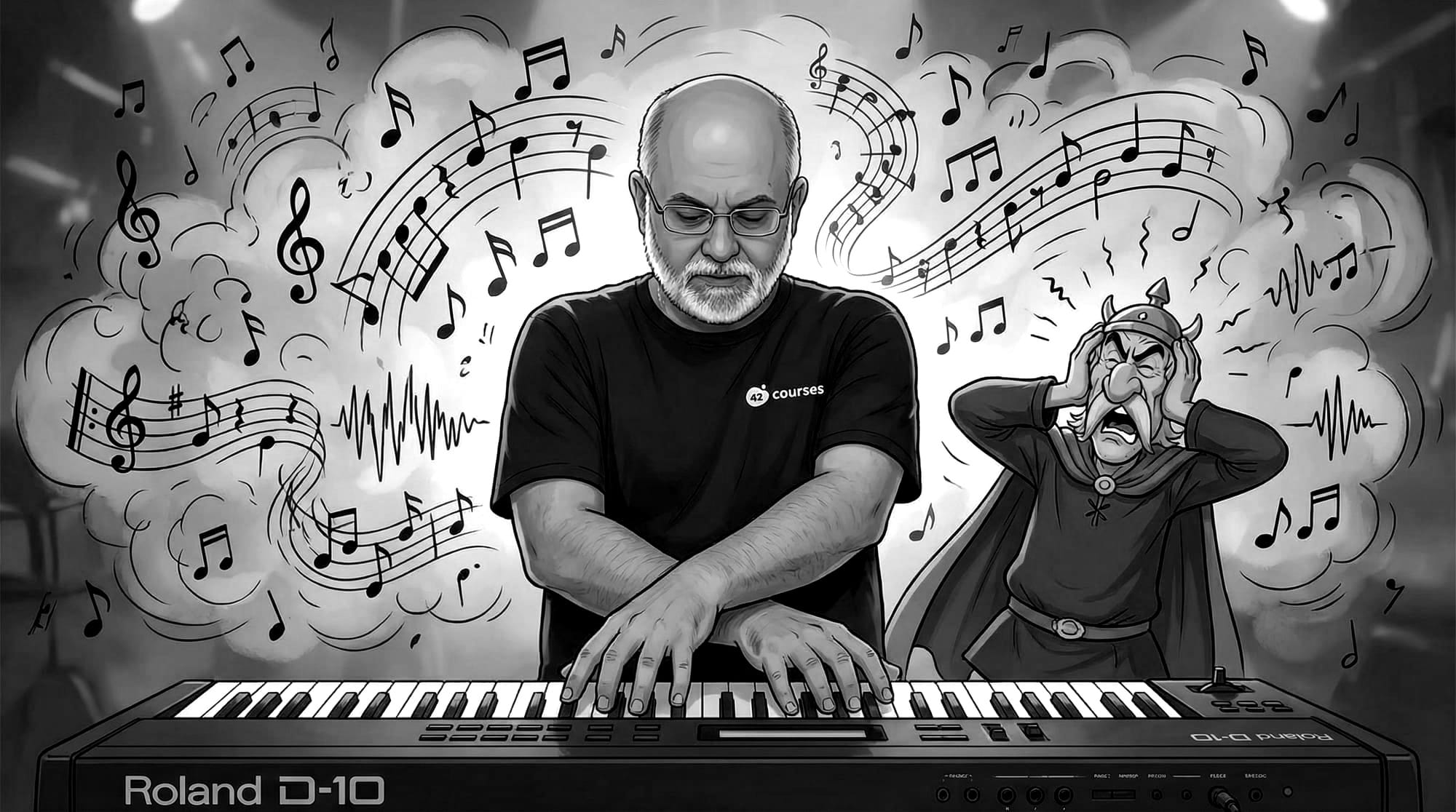
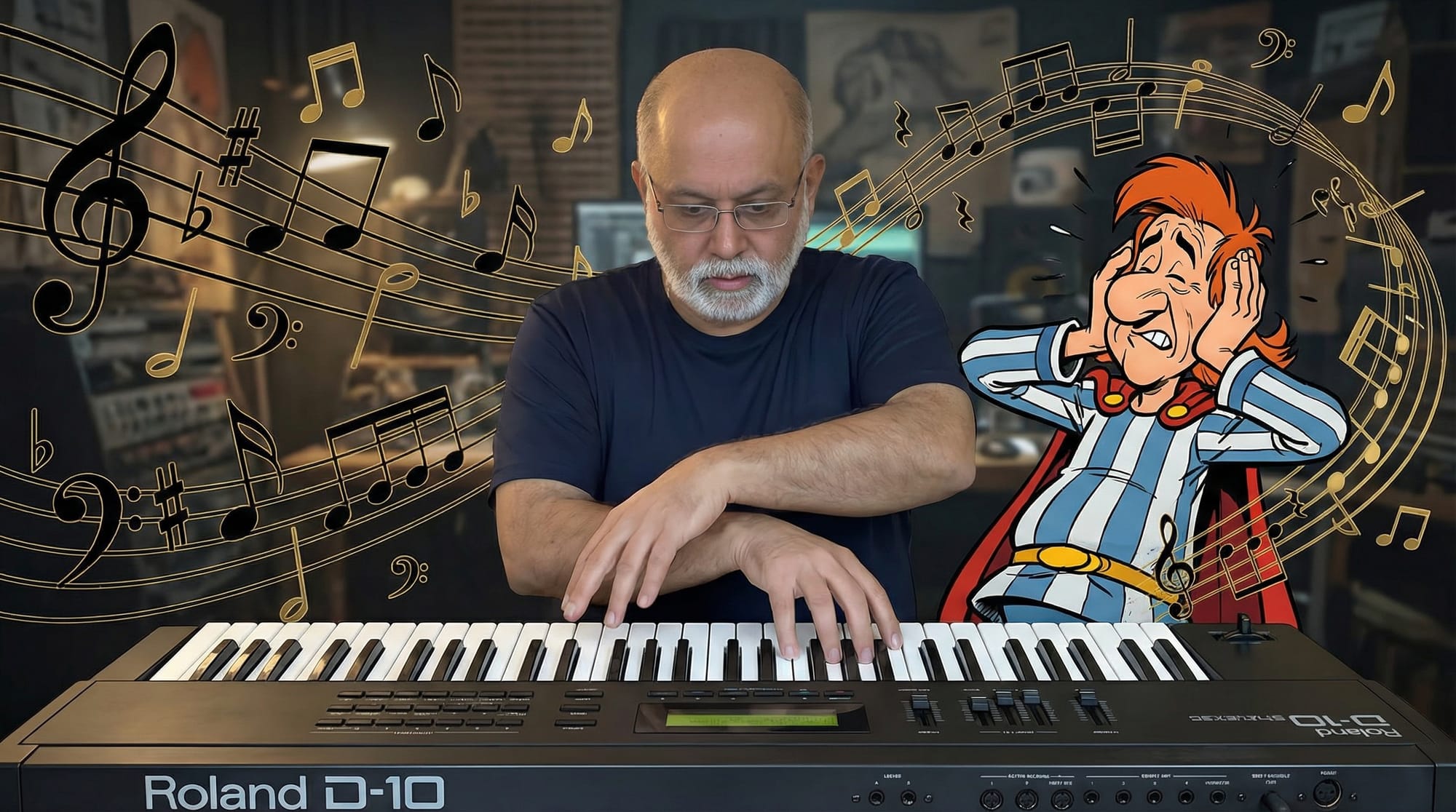
I fantasized about learning to play the keyboards when I was young. In my mid-80s, I spent a month's salary on buying a Roland D-10 synthesizer. From Sam Ash in New York, where the professional musicians are supposed to shop. With MIDI software to hook up to my computer. Programmable sound card with angelic, ethereal voices.
But I never learned anything. I ended up donating that keyboard to a church in Kerala, India.
While late-night YouTube watching, the algorithm served up this video for me.
I began to wonder if this is something I should pursue once I retire?
Learning piano when you're older.
The Piano Revolution: Rewriting Your Musical Story
There is a common story we tell ourselves about learning an instrument: if you didn’t start at five years old, you’ve missed the boat. We imagine dusty rooms, strict teachers rapping knuckles over missed scales, and years of "Mary Had a Little Lamb" before we ever get to touch the music we actually like.
But what if that story is just flat-out wrong?
If you’ve been holding back from learning the piano because you think you’re "too old" or it’s "too hard," it’s time to change the narrative. By shifting your approach from academic perfection to creative exploration, you can transform the piano from a source of frustration into a source of identity.
The Villain in the Room: Traditional Methods
Every great story needs an enemy, and in the world of adult piano, the villain is joyless tradition. Traditional teaching methods often focus on endless scales and arpeggios that don't engage the student. This mechanical approach is why so many people give up before they even start to have fun.
Instead of treating piano like a math test, think of it as a Journey of Discovery. You aren't just learning to hit keys; you are exploring a new language and returning with the "treasure" of a song you love.
Breaking the "Rules" to Find the Music
One of the biggest hurdles for older learners is the intellectual "chore" of reading music right away.
While it's a valuable skill eventually, forcing it at the start often leads to "musicus interruptus"—that frustrating moment when an app or a sheet of paper stops your flow because you hit a "wrong" note.
Here is where you can use the Metaphor of a rebel.
Instead of being a student following a strict manual, be the artist who plays by ear and feel. By prioritizing the joy of playing songs you actually recognize immediately, you lower your resistance and build momentum.
The Power of the "Wrong" Note
As adults, we are often terrified of making mistakes. We play it safe. But music isn't a static thing; it’s alive.
Rob Bee, a proponent of the "rebel way" of piano, suggests that taking risks is the only way to truly feel the music.
Sometimes, a "wrong" note or a slightly different chord can actually enhance the piece. When you stop fearing the mistake, you move from a Before state of rigid anxiety to an After state of creative freedom.
Related Blog Post: https://www.sebastianantony.com/sealed-with-a-miss-my-2nd-ai-music-video/