
Luxury on a budget
When we finally move to our next home, we have a chance to start all over with a minimalistic design and get rid of clutter

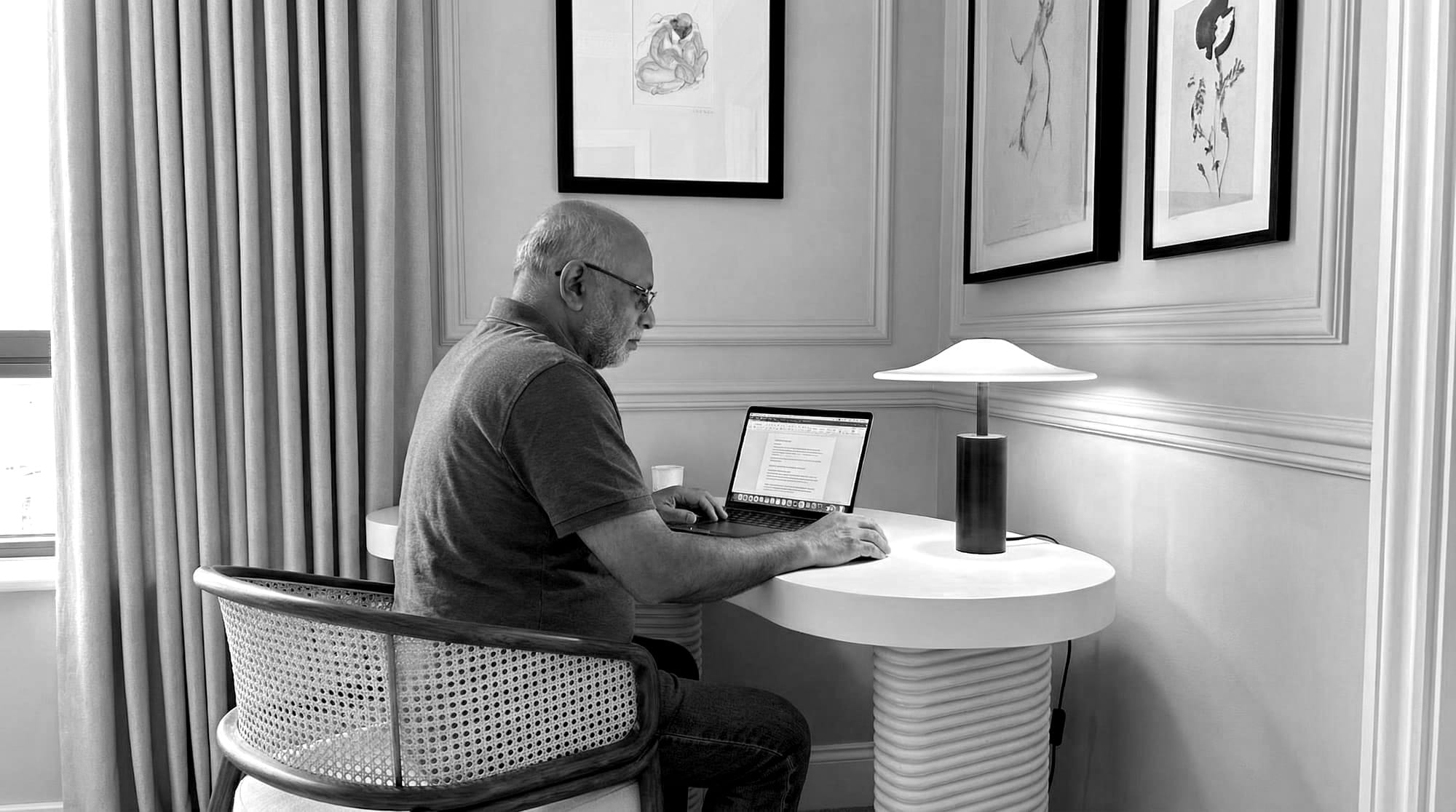
A nice find last week was this YouTube channel, Architect Talks Design.
Because it's been a long, long time since we were in architecture school, I'd forgotten a lot of these principles. Many of the others tips I never knew.
Some architect-approved design principles to make any home look luxurious and expensive include
- Curves and Organic Shapes Incorporating curved furniture and decor makes a room feel more luxurious. Our brains associate curves with safety and comfort, and the effort involved in producing them adds perceived value.
- Materials that Patina Using timeless, high-quality materials like natural stone, metal, wood, leather, or lime wash walls enhances a space's luxurious feel. These materials age gracefully, develop character, and feel substantial.
- Integrated Storage Built-ins reduce visual clutter, make a space feel larger, and suggest bespoke craftsmanship. Ensure built-ins extend to the ceiling and use high-quality hardware.
- Furniture as Sculpture Select a few furniture pieces that are not only functional but also sculptural, such as a curvy chair or a geometric coffee table. These unexpected designs draw attention and add artistry.
- Art over Photos While personal photos are meaningful, abstract or less private artwork creates a more open and universal feel in common areas.
- Contrast Sizing in Art Varying the sizes of artwork and decor creates a dynamic, curated, and intentional look, suggesting a collection built over time rather than bought all at once.
- Frame it Differently When creating a gallery wall, use mismatched frames to give the display a collected, thoughtfully built appearance rather than a uniform, mass-produced one.
- Mix, Don't Match Avoid matching furniture sets from a single product line. Instead, combine modern pieces with vintage finds to create a balanced, soulful, and eclectic inspiring space.
- Bigger Than Your Head Decor Opt for larger decor pieces, as anything smaller tends to look cluttered and lack impact. If you have small items, group them on a tray to create the visual impression of one large item.
- Emptier Than You Think Less is more when it comes to decor. Leave open shelves half-empty to create negative space, a hallmark of luxury, similar to high-end shops.
- Hide the Ugly Conceal functional but unsightly everyday items like wires, toiletries, and cleaning products. Transfer soaps and shampoos to stylish dispensers and store clutter in cabinets or baskets to maintain an aspirational, clean aesthetic.
- Commit to the Whole Room Instead of using accent walls, commit to cohesive textures, colors, or moldings across an entire room (or even the whole space and ceiling) to create balance, depth, and a well-thought-through design.
The previous channel was pretty interesting because the author is often witty with some jokes.
I also found another channel Nomora designing emotions, not just interiors
Here are 5 key design principles hotels use that homes often get wrong:
- Controlling Visual Clutter Hotels ruthlessly manage visual clutter, guiding the eye to key elements. Homes, however, tend to collect unrelated objects on surfaces, leading to visual noise overload, which increases stress and mental fatigue.
Use the "hotel surface rule" by clearing a surface and then rebuilding it with one tall object, one soft object, and one grounded object to create visual silence
- Layering Light Hotels use multiple light sources like table lamps, floor lamps, and wall sconces to create atmosphere and signal safety and intimacy. Homes often rely on a single, bright overhead light, which activates alertness and makes a room feel flat.
Use the "rule of three lights" (one low, one eye-level, one background) and avoiding daylight bulbs at night
- Scaling Furniture Hotels use substantial, confidence-inspiring furniture, while homes often undersize it, making rooms feel unsettled.
Visually increase furniture authority by adding oversized pillows, heavy throws, or a tall plant/lamp
Hiding Function Hotels conceal wires, chargers, and other functional items to avoid keeping the brain in "task mode," which is not conducive to relaxation. Homes often display these functional elements, leading to low-grade anxiety.
Apply the "hotel concealment rule" by centralizing functional items in baskets, boxes, or drawer trays
- Separating Zones Hotels clearly divide spaces for different activities (sleeping, sitting, working), preventing cognitive overlap fatigue. Homes tend to stack multiple roles onto a single surface, making the brain restless.
Try creating microzones (eg. chair with a lamp and throw) and enforcing one job per zone
If you will be getting a chance to redecorate your home, I hope these two YouTube channels can give you some ideas.