
Manage Your 4-Person AI Creative Team

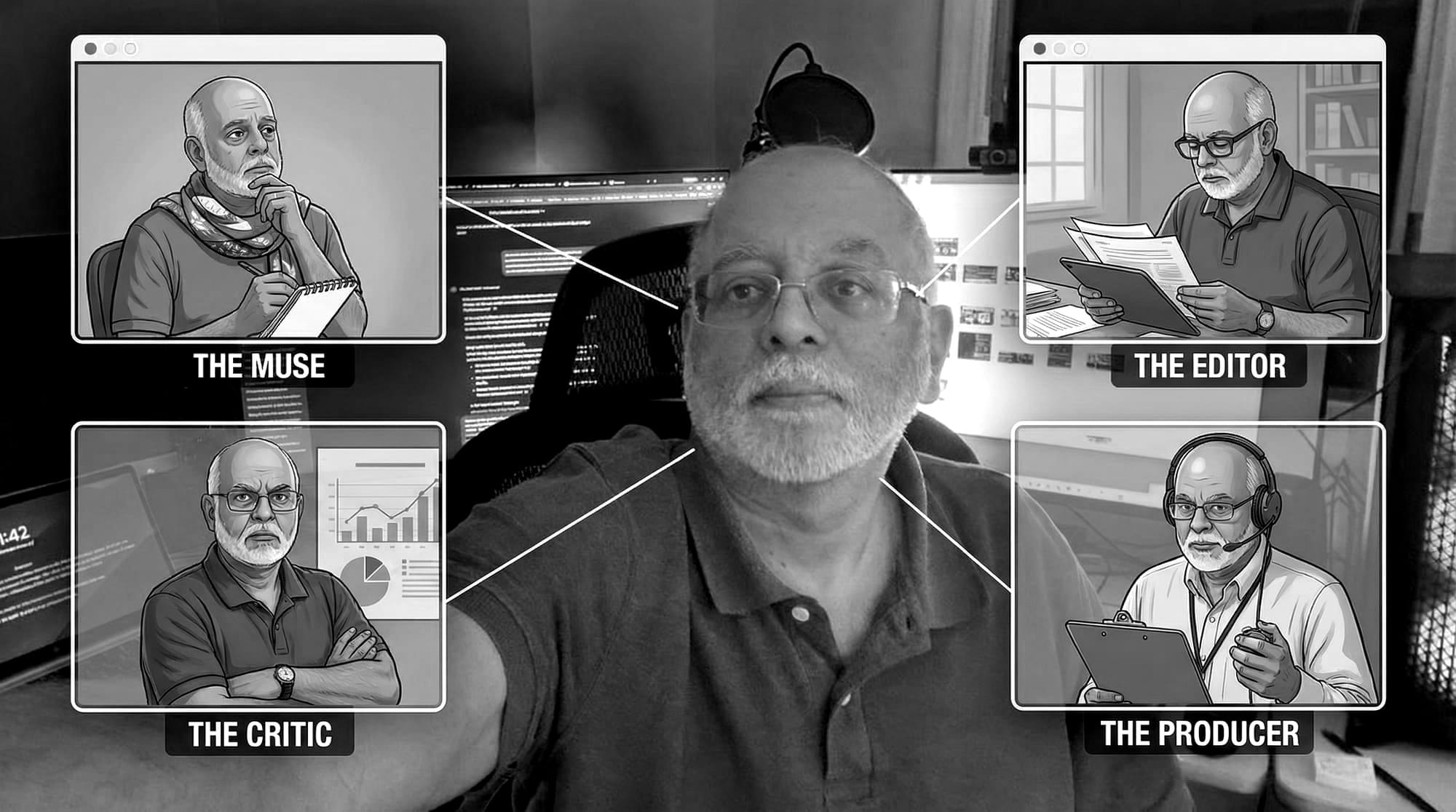
This post was inspired by a 42 Courses newsletter that resonated with me.
To get work that actually resonates, we need to stop treating AI like a search engine and start treating it like a four-person creative team. By layering timeless storytelling constructs—frameworks that tap into how humans are naturally wired to listen and learn—onto your AI prompts, you can move from "just selling" to "deeply resonating". You’ll stop competing on noise and start connecting on meaning.
Here is how to manage your new creative department.
1. The Muse (For Generating Ideas)
The Muse is your partner for divergent thinking. When you’re staring at a blank page or feel stuck in your usual patterns, The Muse helps you look at a problem from 20 different angles before you pick one.
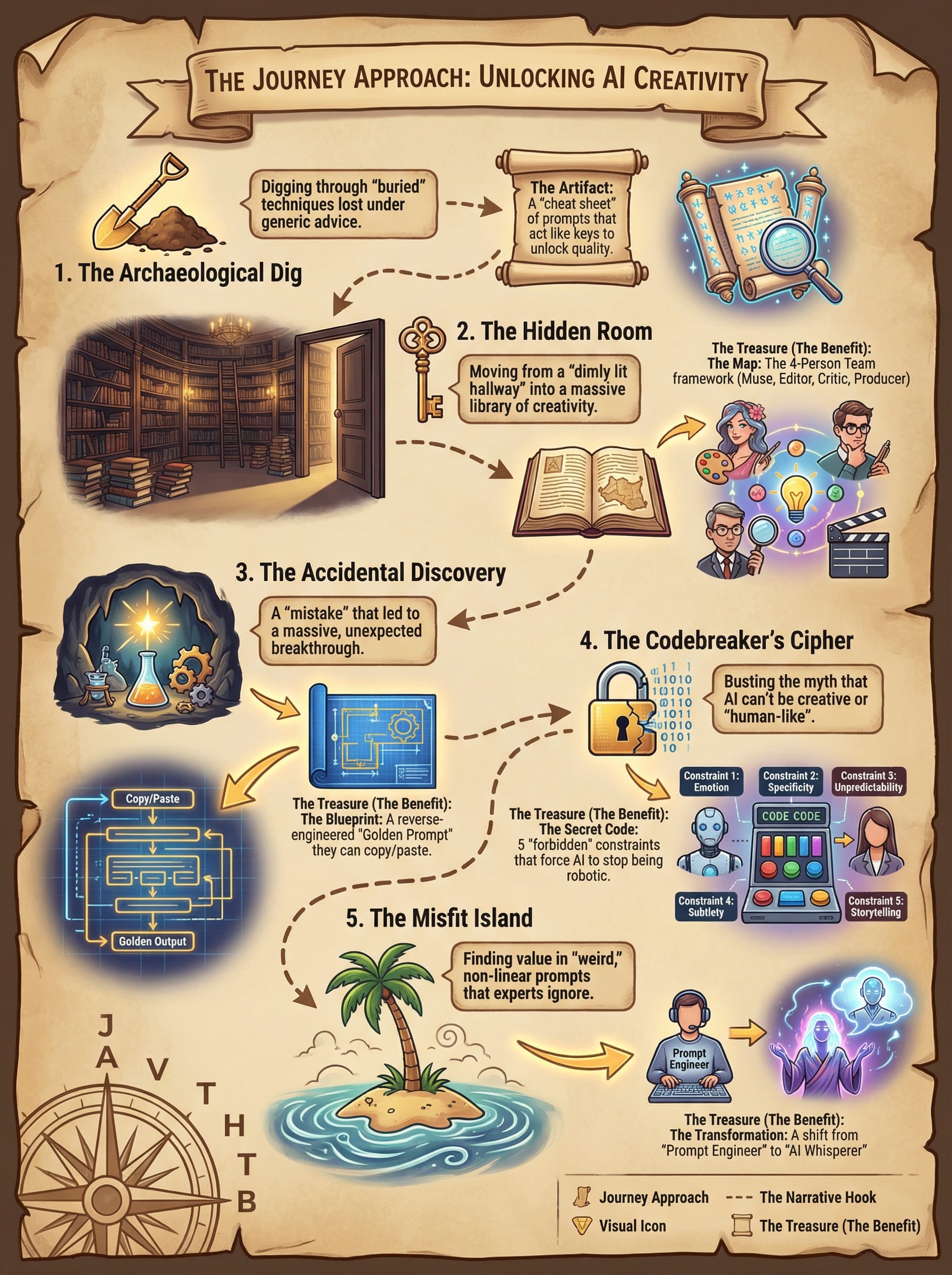
How to level it up with storytelling: To get the best out of your Muse, don't just ask for "ideas." Ask for Metaphors or Analogies. This reframes your message through vivid comparisons, making abstract concepts feel familiar and simple. Alternatively, ask for a Journey of Discovery. This takes the audience on an exploration where they "stumble on insights" and return with "treasure," which is perfect for sparking curiosity and positioning yourself as an innovator.
Try this prompt: "Act as my creative muse. I’m creating a campaign for [Audience]. Propose five approaches using the 'Journey of Discovery' construct. I want the audience to feel like they are finding a hidden treasure."
2. The Editor (For Improving Ideas)
The Editor’s job is to take your "messy first draft" and make it sharper, tighter, and clearer. It’s the second pair of eyes that never gets tired.
How to level it up with storytelling: Tell your AI Editor to use the Before-After-Bridge construct. This is designed to drive "instant, metric-friendly conversions" by creating a stark contrast between a current problem and a future solution. You can also ask for an Origin Story lens to humanize the work and build authenticity.
What’s in it for you? A better editor helps you "earn trust" and reminds people there is a "human being behind the screen".
3. The Critic (For Stress-Testing)
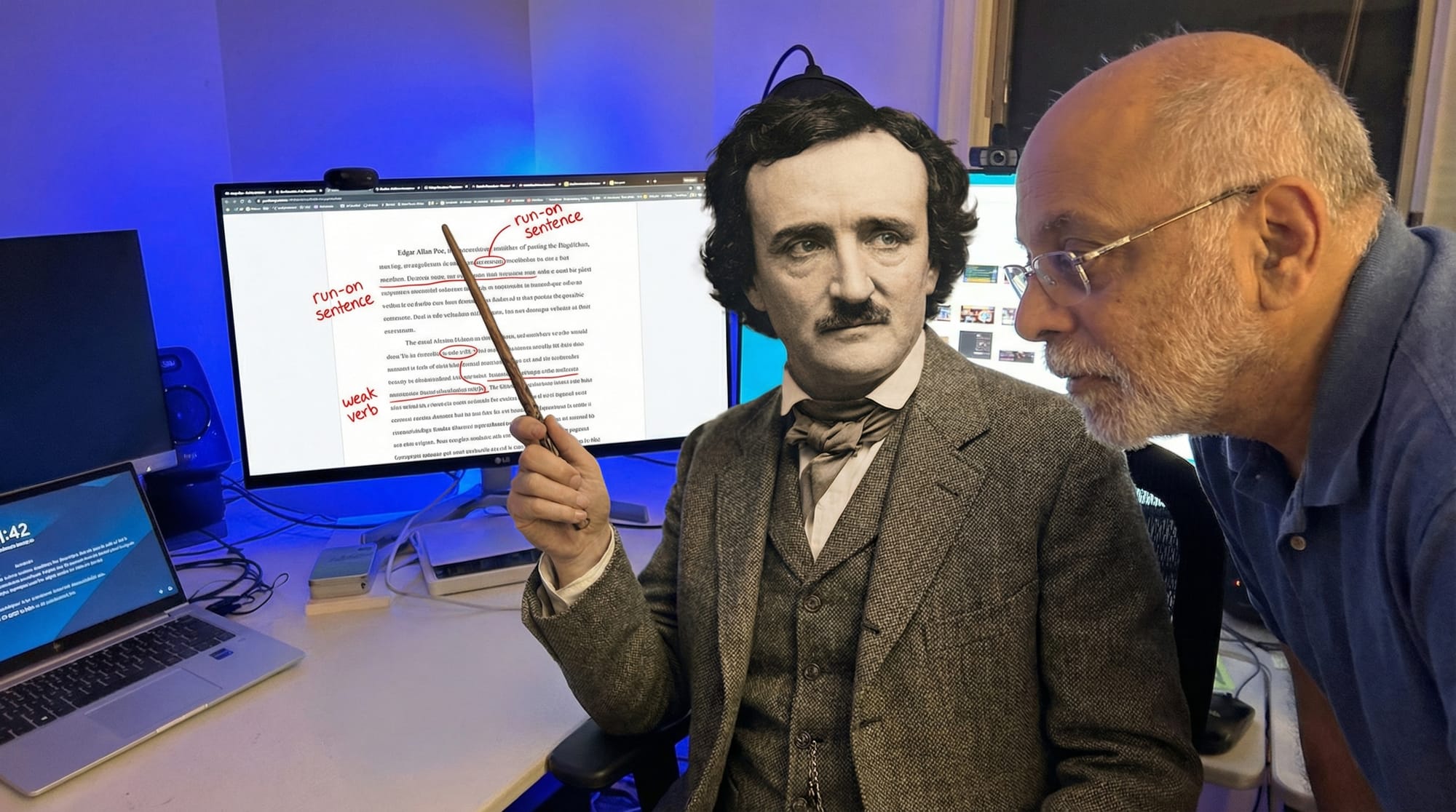
The Critic is your quality control. It’s there to challenge your assumptions and flag where your story might fall flat. This is vital because AI can be a "people pleaser"—it often tells you what it thinks you want to hear, rather than what is true.
How to level it up with storytelling: Ask the Critic to adopt the Enemy/Villain Narrative. Name a clear enemy—like "waste," "inefficiency," or "bad writing"—and have the AI rally the audience against it. This builds energy and urgency by defining exactly what you are fighting. You can also use a Problem-Solution narrative to ensure you are solving a clear pain point that actually moves the buyer to act.
Critical Note: Always sense-check your Critic. AI makes mistakes, so you must be the final judge of whether its "tough love" is actually accurate.
4. The Producer (For Making the Work)
The Producer is all about execution. Once you have the idea and the "edge," the Producer turns it into newsletters, LinkedIn posts, or scripts.
How to level it up with storytelling: Use Social Proof or the Bandwagon construct. Instead of focusing on one hero, have the Producer show the "crowd already moving" to leverage FOMO and lower resistance.

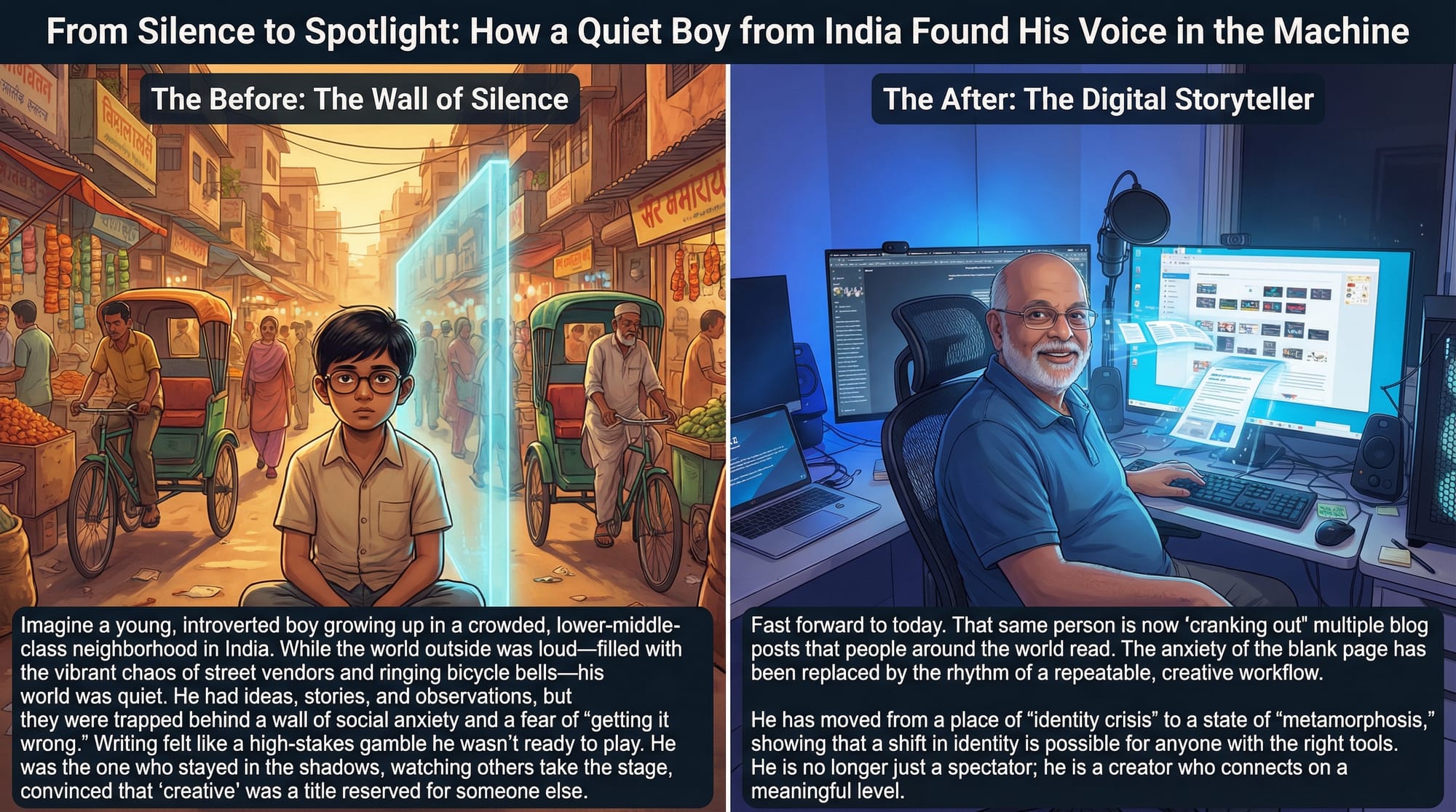
If you are looking for deeper emotional commitment, ask for a Transformation or Metamorphosis story. This shows a shift in identity, not just a change in circumstance, which inspires your audience to become someone new.