
Phoebus Cartel & obsolescence

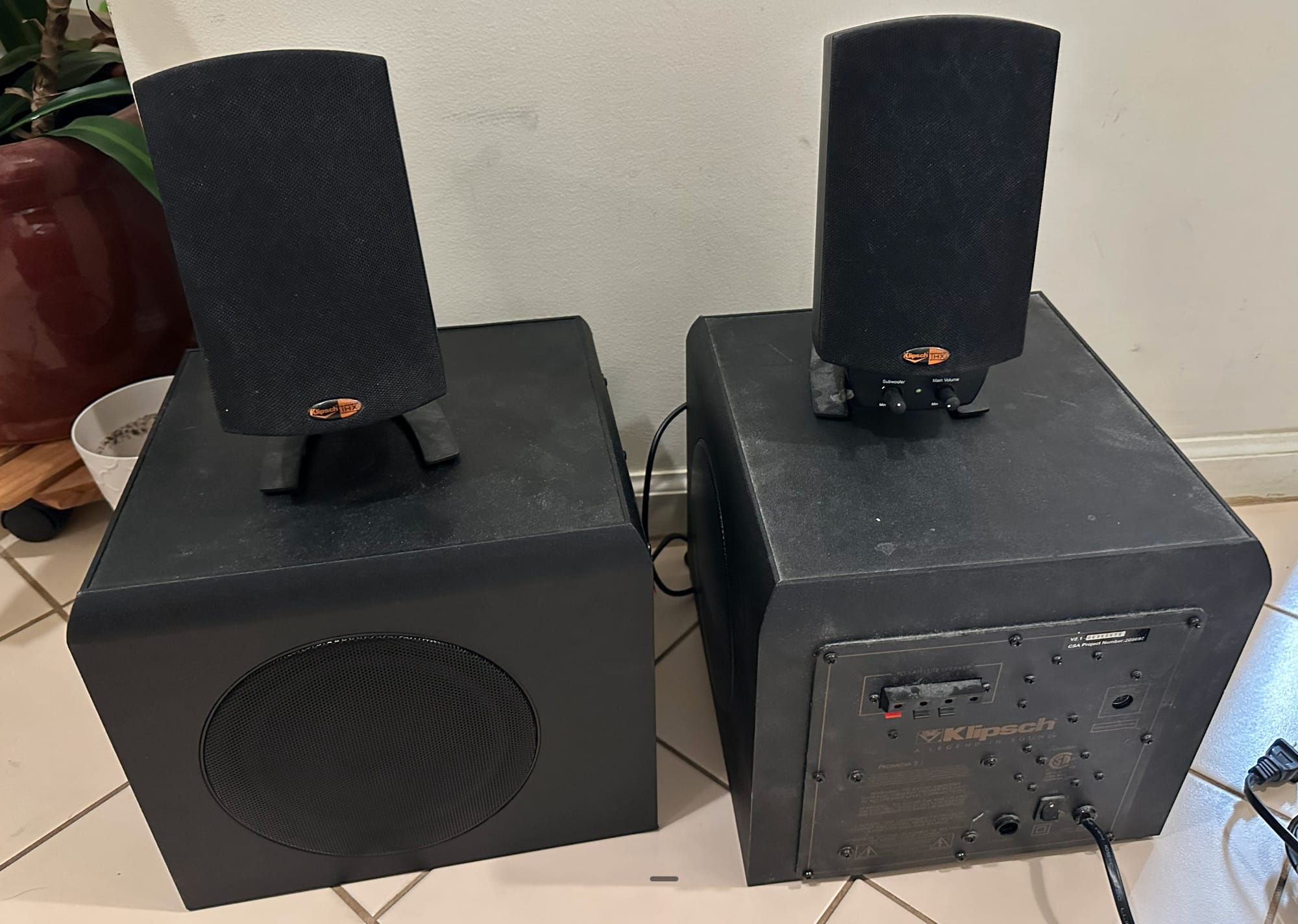
Though I am rather frugal in many ways, for example buying used books on eBay or via sites like Abes books or Goodwill thrift stores, I am still forced to splurge occasionally on larger purchases (few hundred $) that fail. For example:
1) My Klipsch Promedia 2.1 subwoofer started acting up with a buzzing noise, so I bought another subwoofer from eBay. It worked well for a month, then suddenly stopped working a month later - most likely only a blown fuse.
Now I'm relegating both sets to the eWaste recycling center. Instead of attempting to repair by combining parts from both like I would have done early in my career, I simply bought a new pair of Logitech speakers Z623, (recommended by Google Gemini), from eBay for just $120. The mid-range is lacking, but for me it's all about the bass.
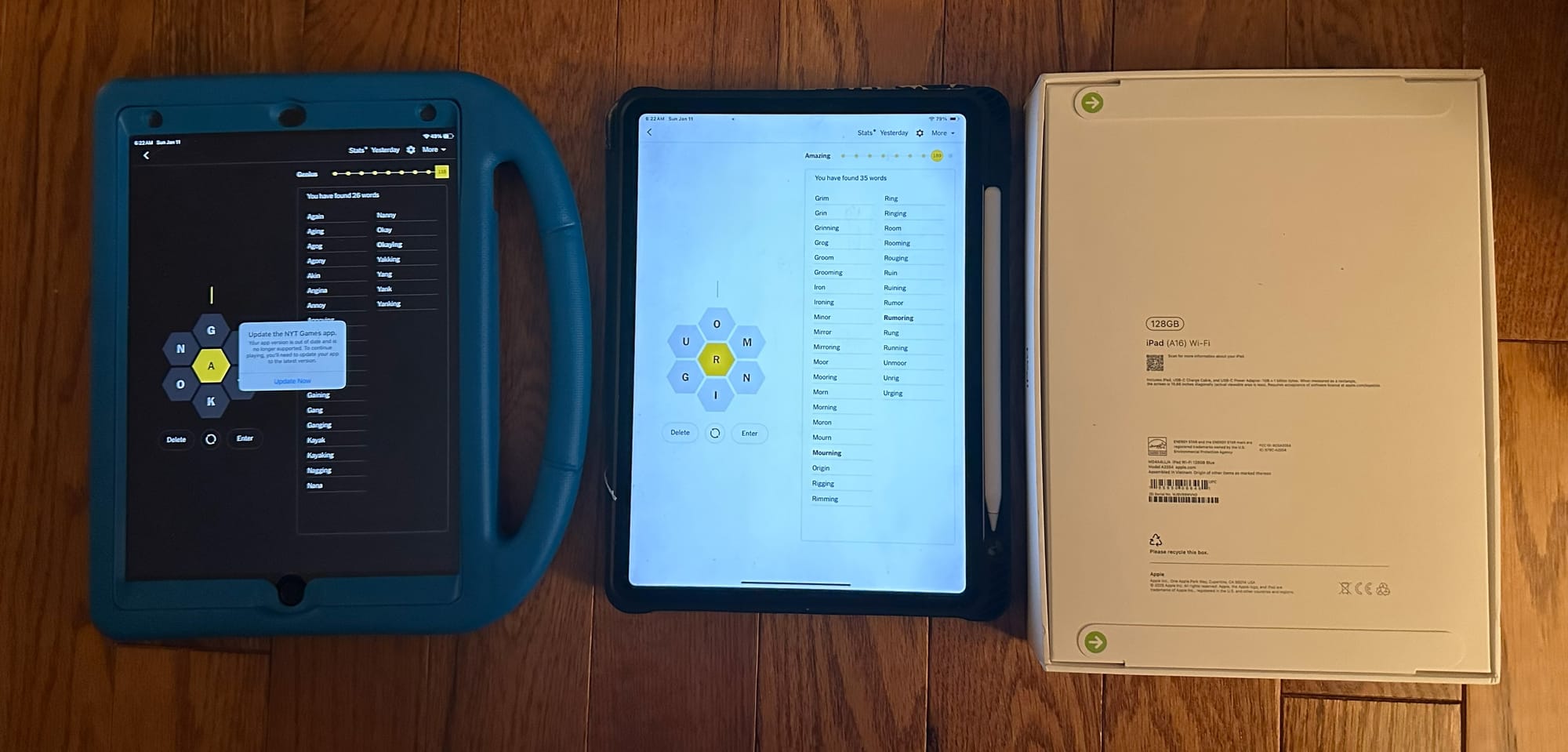
2) My spare iPad Pro, which I got from Apple less than 2 years ago, is not able to update to iOS 18, which is now required for New York Times Games that Eileen likes to play. The annoying thing is the spare Ipad has a Max capacity of 94% and cycle count of only 100 cycles, which means a lot of useful life. Anyway, I bought a new iPad for $300 as I don't want to share my own ipad with Eileen all the time - there may be popup notifications or email for me that she may necessarily approve.
Planned obsolescence
It’s not your imagination. Planned Obsolescence is the intentional design of products to fail, fade, or become "uncool" so you’re forced to keep spending. Here is the breakdown of how we got here.
Phoebus Cartel and the "1,000-Hour Rule"
In 1924, Major lightbulb manufacturers met in secret and agreed to limit the lifespan of a bulb to just 1,000 hours. If a factory produced a bulb that lasted too long, they were actually fined. This created the blueprint for the modern "landfill economy."
As the decades passed, the tactics became more sophisticated:
- Psychological Obsolescence: In the 1920s, GM introduced annual model changes. They didn't make the cars better; they just made the old ones look "outdated" to weaponize consumer ego.
- Digital Fragility: Today, companies like Apple and John Deere use software lockouts to prevent you from fixing your own property. If a software update slows down your device or blocks a third-party battery, you’re experiencing planned obsolescence in the digital age.
Every time you’re forced to buy a new charging cable, a fast-fashion shirt that falls apart after three washes, or a new laptop because the RAM is soldered shut, you are paying a "Replacement Tax." This cycle drains thousands of dollars from consumers every decade.
We are now entering the "final evolution" of this trap: The Subscription Economy, where you no longer own assets, but rent basic features (like heated car seats) month-to-month.
The Paradox: Prosperity Through Destruction
Why don't we just make things better? The uncomfortable truth is the Paradox of Thrift. Our current economic model relies on constant consumption. If products lasted for decades, GDP would shrink, factories would close, and markets would crash. Currently, our economic "growth" is built on a foundation of waste 😦
This video has different examples of how companies force you to upgrade.