
Why We Buy More Than What We Need
The next time you’re faced with a "Good-Better-Best" pricing table, think if you are being played before you choose the most expensive option.


Last week, I availed a limited time promotion at Wawa. Only $5 for a breakfast deal consisting huge 32oz iced coffee, a sausage, egg, bagel, and hash browns.
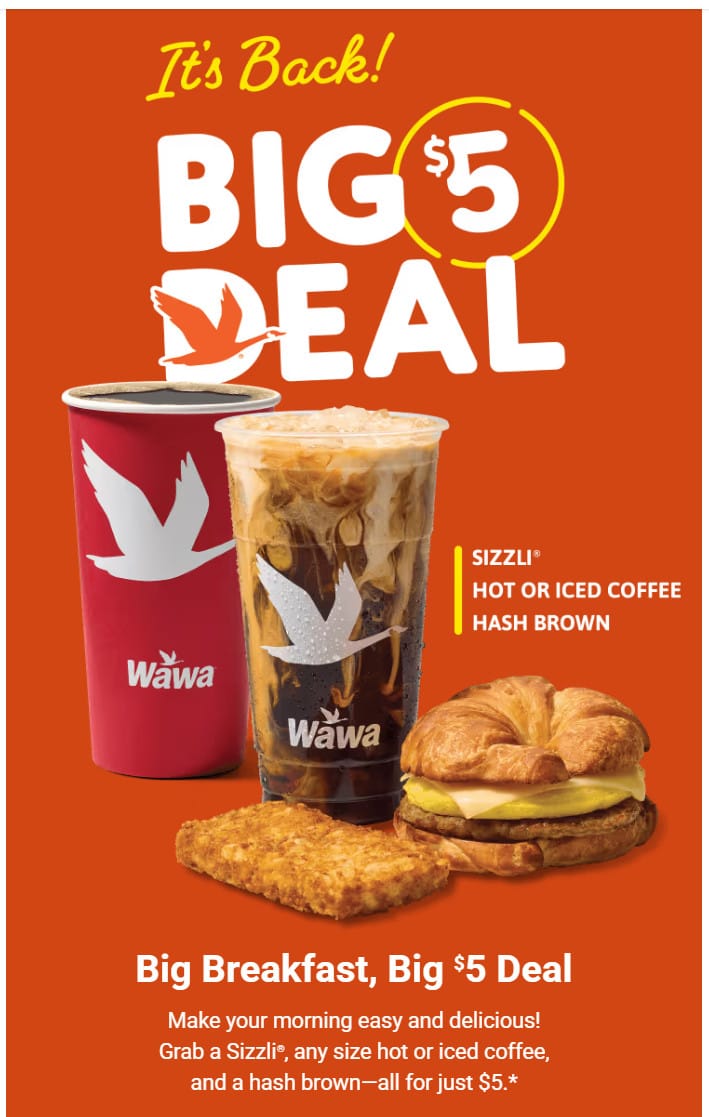
Only after I finished this did I realize I had consumed far more coffee and calories for breakfast than is good for me. And I realized why Wawa offers these deals. If you do this for a few days in a row, it becomes a habit. An addictive habit.
Also last week, the YouTube algorithm, often an echo chamber, served up the following video, introducing me to a new channel I find interesting.
The video below explains an important behavioral science topic. 👇
This video has several good examples.
Every time you sit down to make a choice—whether you are investing in a new AI-powered tool, buying a piece of digital art, or just standing in line at a movie theater—you think you are in the driver's seat. We like to believe we are rational thinkers making "absolute" decisions. But the truth is, humans are actually quite poor at judging absolute value; instead, we are hardwired to rely on comparisons.
This cognitive quirk is exactly what marketers exploit through a psychological pricing strategy known as the Decoy Effect.
What is the Decoy Effect?
The Decoy Effect happens when a brand introduces a third option—the "decoy"—specifically designed to be less appealing than a more expensive "target" option. This isn't just about sales; it’s about a Transformation. It shifts your identity from a "conservative spender" to a "value seeker," making you feel like you’re losing money if you don’t spend more.
Take the classic movie theater popcorn example. You walk in intending to buy a small popcorn. You see two options:
- Small: $5.00
- Large: $8.50
Most people choose the small because $8.50 feels like a lot for corn and air.
But then, the theater introduces the "Decoy"—the Medium for $8.00.
Suddenly, the Large looks like a steal.
For "only" 50 cents more, you get so much more! You’ve just been steered toward the more expensive choice.

The Connecting Thread: Value vs. Perception
Whether we are discussing AI, investing, or personal growth, there is a singular theme: The battle between what things are worth and what we are told they are worth. In the world of AI, we see this in tiered subscription models. In investing, it’s the "mid-tier" fund that makes the high-fee premium fund look like a bargain. In art, it’s the limited edition print that makes the original masterpiece feel like an investment rather than a luxury. These aren't just pricing hacks; they are Metaphors for how we perceive our place in the world.
How to Defend Your Wallet (and Your Mind)
The benefit of knowing this isn't just about saving five bucks at Starbucks. It can save you thousands of dollars when you are shopping for a new car or buying a home.
It's about regaining your autonomy. By recognizing these patterns, you earn back your power and avoid "falling flat" in your financial and personal decisions.
Here is your four-step framework to becoming an absolute thinker:
- Spot the "Ugly Brother": Identify the option that exists only to make another look better. If an iPad storage upgrade seems "too good to pass up" compared to the middle tier, you’ve found the decoy.
- Define Your Needs Before the Pitch: Before you look at the price tags for a new AI software or a car trim, decide exactly what features you need. Stick to that list.
- Become an "Absolute Thinker": Ask yourself: "In a vacuum, if this were the only option available, would I pay this price for this solution?"
- Beware the Unit Cost Fallacy: Don't buy the "Venti" just because it's a better price per ounce if you only wanted 12 ounces of coffee. Paying less for exactly what you need is always better than paying more for a "deal" you’ll end up wasting.
The Bigger Picture
The psychology behind how we choose —is worth understanding. When you recognize the Enemy (inefficiency and manipulated choices), you can rally your own logic against it.
The next time you’re faced with a "Good-Better-Best" pricing table, ask yourself: Which construct is this brand using to move me?. When you see the blueprint, you aren't just a consumer anymore—you’re the hero of your own journey.