
UX - Design for Someone, Not Everyone

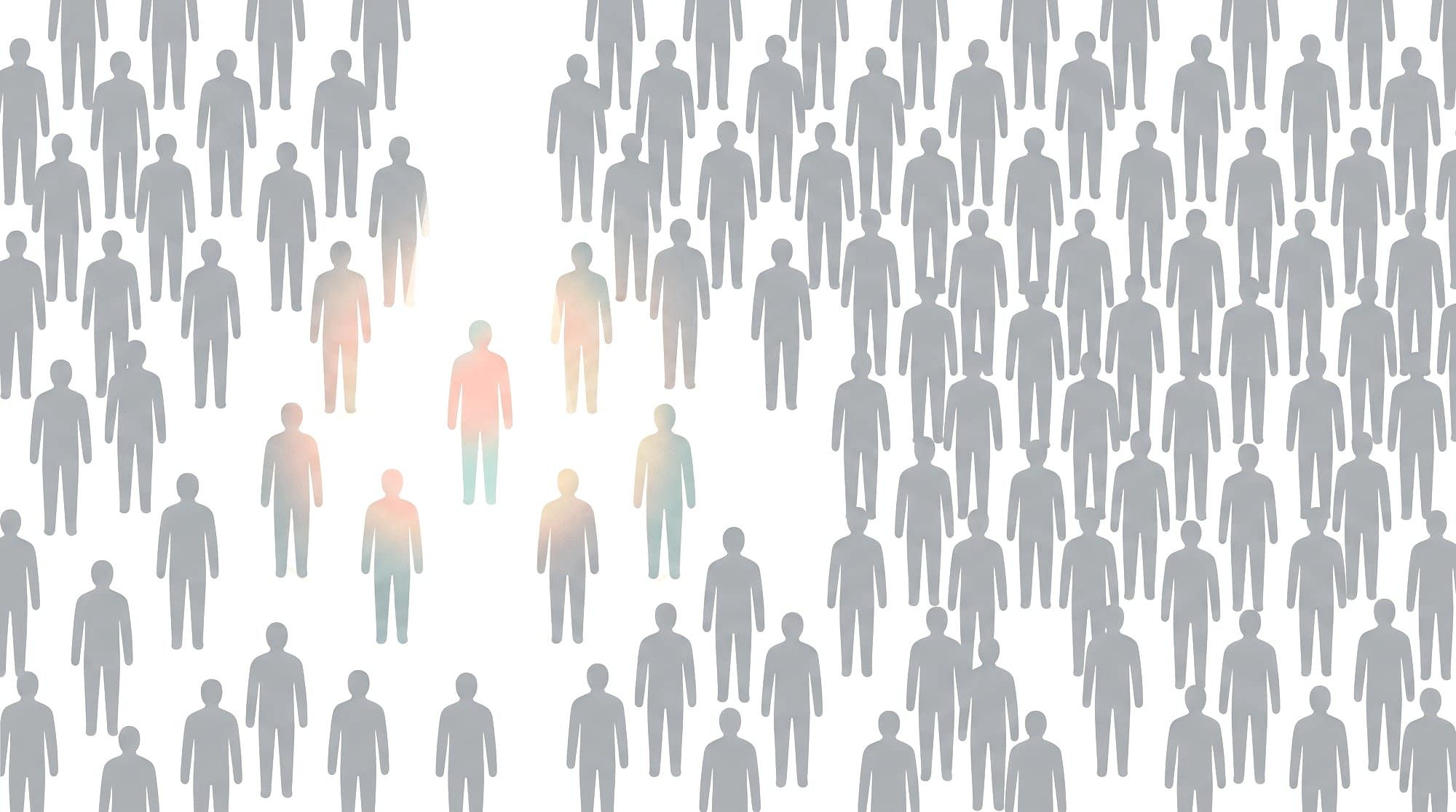
Inclusive design has a textbook definition, and it's worth saying out loud:
it's the practice of building products, websites, and services that work for everyone, not just one tidy slice of "typical" users.
The Interaction Design Foundation calls it a methodology for including and learning from people with a range of backgrounds and abilities. That's the theory.
What I keep noticing is that in practice it almost never starts with "everyone." It starts with one person.
Nigel & 42courses Mastermind quiz
Take Nigel, over in the UK, who was testing the Mastermind quiz I built — a timed "specialist subject" challenge for 42courses fans.
He came back and told me he couldn't read the whole page in 30 seconds. Not a formal bug report — just a real person hitting a wall.
So I added a Reading Pace toggle:
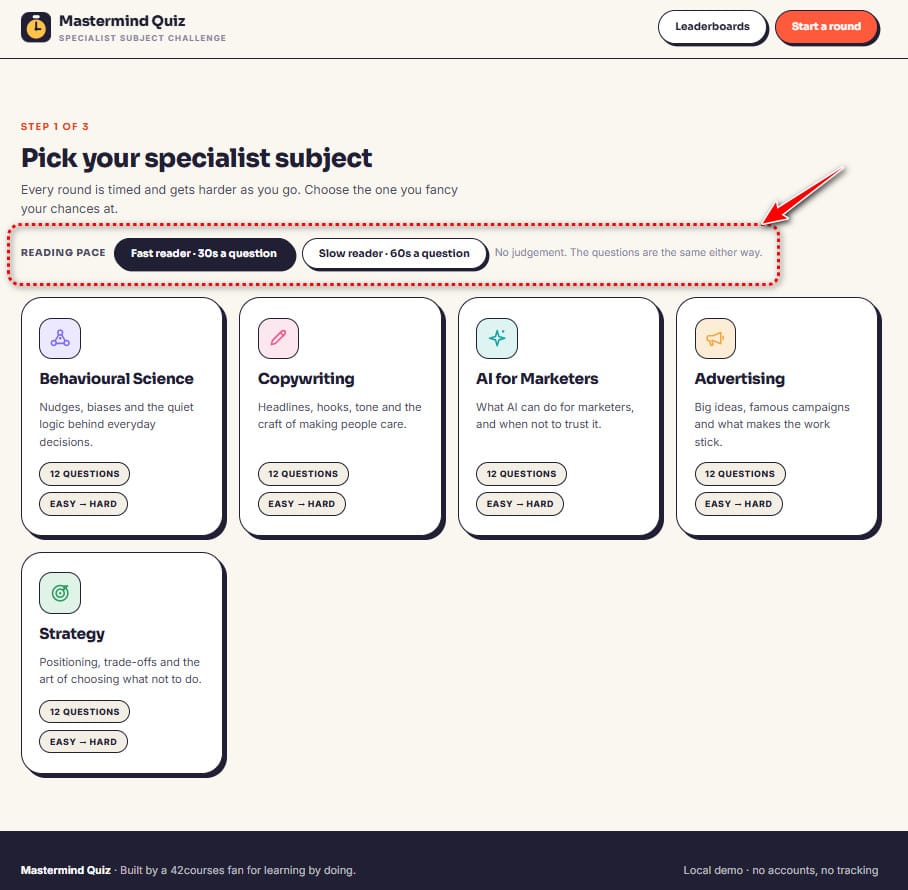
One user, one accommodation — and I made a point of building it so nobody has to feel singled out for choosing the slower lane. Because of course Nigel is never only Nigel: every slower reader who came after him gets that toggle without ever having to ask.
Search tool for Ghost saved me $14 a month
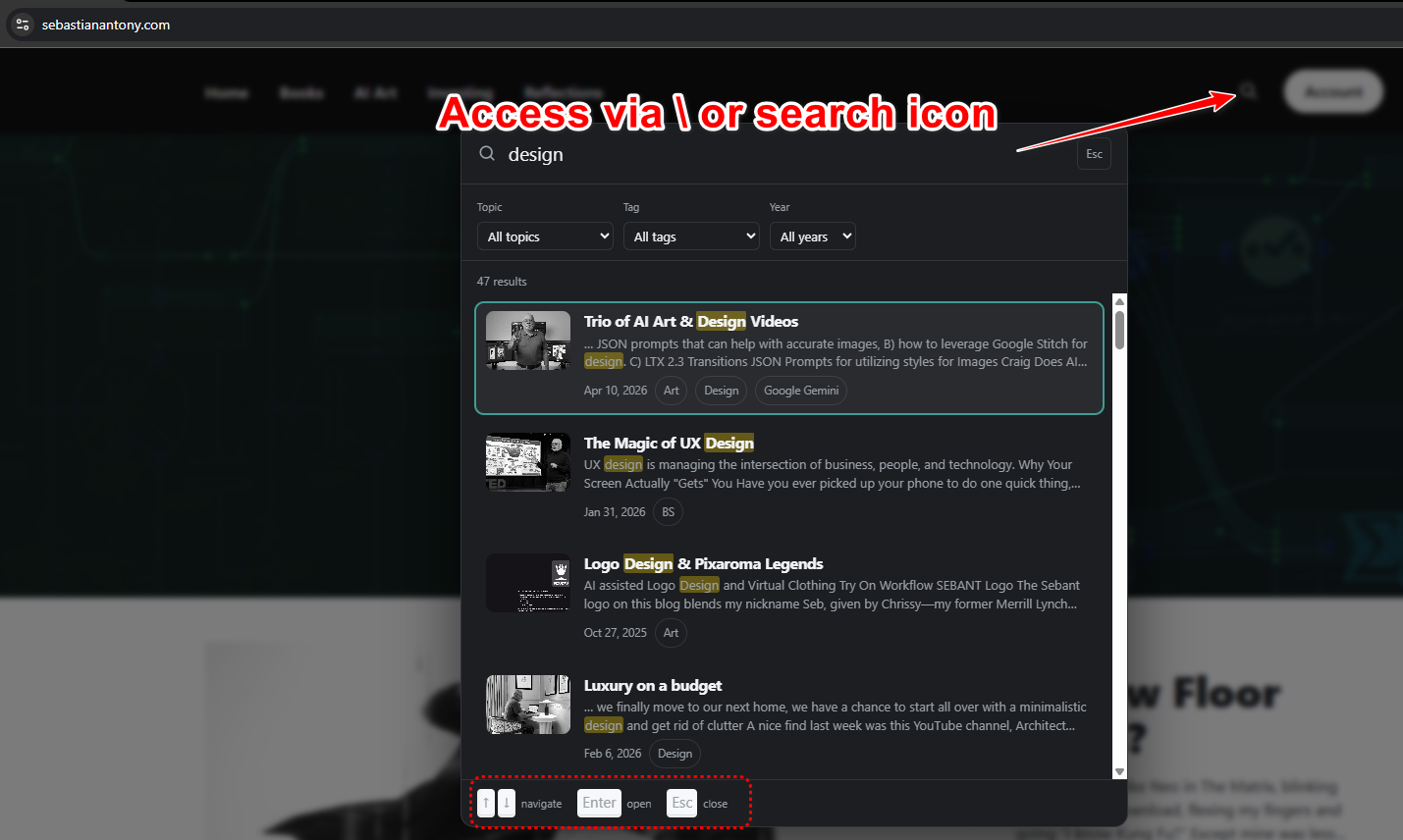
The next person I designed for was me. I've written more than 160 articles now, about 120 of them public-facing, and I genuinely could not tell you when I'd written most of them. I couldn't find my own work.
The native Ghost search tool does not search within articles.
I looked at the paid search options next — Vellumine makes a genuinely good search feature for Ghost sites, but its cheapest startup plan was $9 a month. On Ghost itself, uploading a custom theme with search would have bumped me from the $15 Starter plan to the $29 Pro plan — an extra $14 a month for one feature. 😦
So instead I used Fable to vibe code my own fuzzy search across the whole blog, and dropped a site-injection snippet into the footer to run it — no theme upgrade, no subscription. Inclusive design isn't only about grand accessibility budgets; sometimes it's a $14-a-month tool you decide to build yourself instead, and a bit of stubbornness.
Potato PC Mode for a comfyUI Node
Then there's the example that made me want to write all this down. A ComfyUI user rebuilt their image editor — a serious one, called TrixLoader, with masking, crop, camera-raw filters, the lot — all because the community asked for a change.
Buried in it is a setting called "Potato PC mode" that dials the previews down so the whole thing runs smoothly on a weak GPU.
Nobody would have noticed if they'd skipped it. They added it so people on cheap hardware get the same tools as everyone else.
This is what an open tool can do that a closed one can't: the people using it become the people extending it, and they build for corners of the community a company would never think to prioritise.
Nigel and 30 seconds. Me and my 160 lost articles. A stranger with a potato PC. None of these began as "let's be inclusive." They began as one named person with one real problem — and the fix, once built, quietly served everyone standing behind them.
So if inclusive design ever feels too abstract, shrink it. Don't design for "users." Design for Nigel. Build the thing he needs, and you'll usually find you've built it for a hundred people you'll never meet.