Confessions of an Appaholic


Starting in 2017, I started buying and hoarding many, many iOS apps, the maturity in photo and video editing. Towards the end I had accumulated about 400 apps, and I used to say that I was an "appaholic".
I sort of lost interest in iOS apps in 2022 when MidJourney came out and I discovered the world of AI image generation.
Walt Disney said: "If you can dream it, you can do it."

Perhaps some of his pixie dust must be rubbing off onto me after my recent move to Orlando, about half an hour from the Magic Kingdom.
Between Thursday and Friday this week I vibe coded three mini apps - three tools that didn't exist on Wednesday but were live on the internet by Friday night
I had a reason to hurry.
Claude Fable, the tool I've been building all of these with, is about to have its access limited, and I wanted to make hay while the genie was still in the lamp. Nothing sharpens the mind like a door that's quietly closing. So here they are — three apps, two days, and a few things I learned along the way that you can steal for yourself.
Vibe coding mini apps is addictive! I've become an appaholic once again...
Chrisdom — Wisdom from the Kingdom
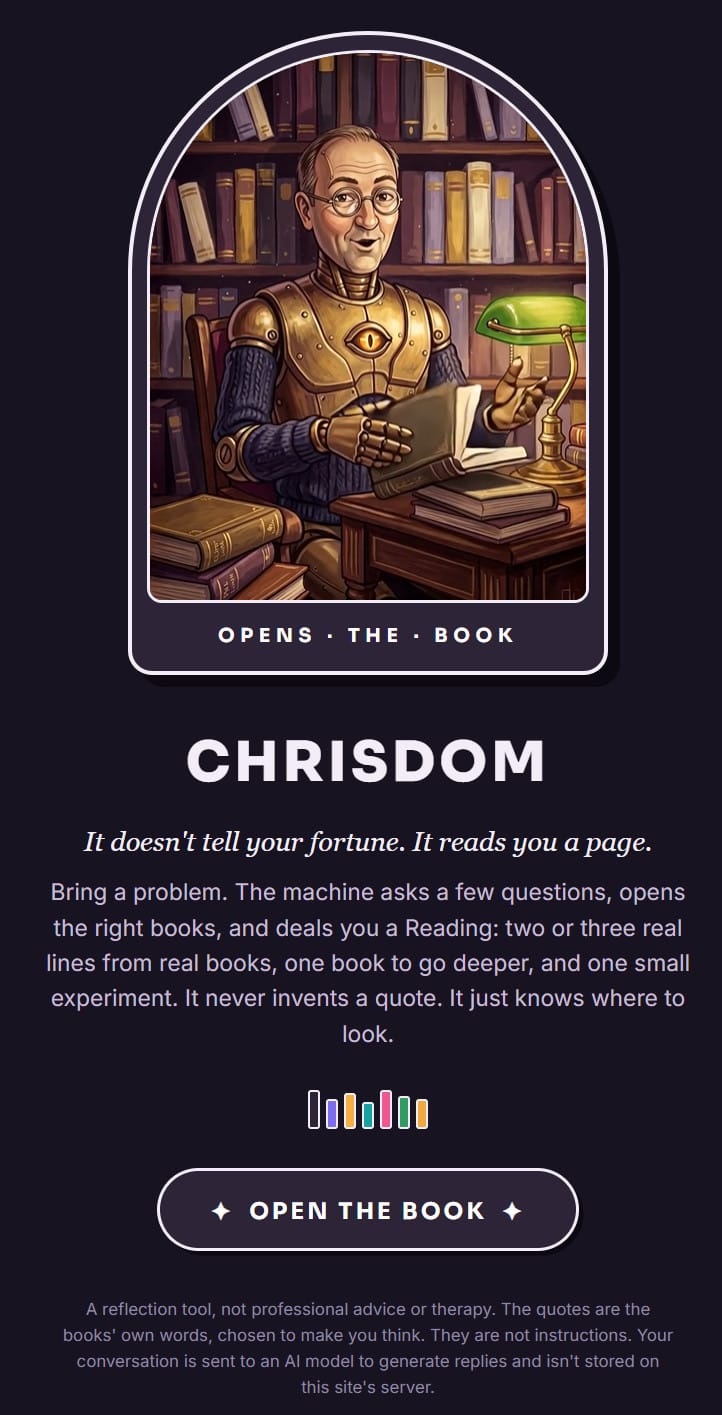
The first one is the one I'm proudest of. chrisdom.sebastianantony.com
Chris Rawlinson, the founder of 42courses, has shared a list of quotes from 55 books on the community page — Phrases that resonated with him and the ones that shaped how he thinks. Chrisdom has read all 55 and lets you search them by idea.
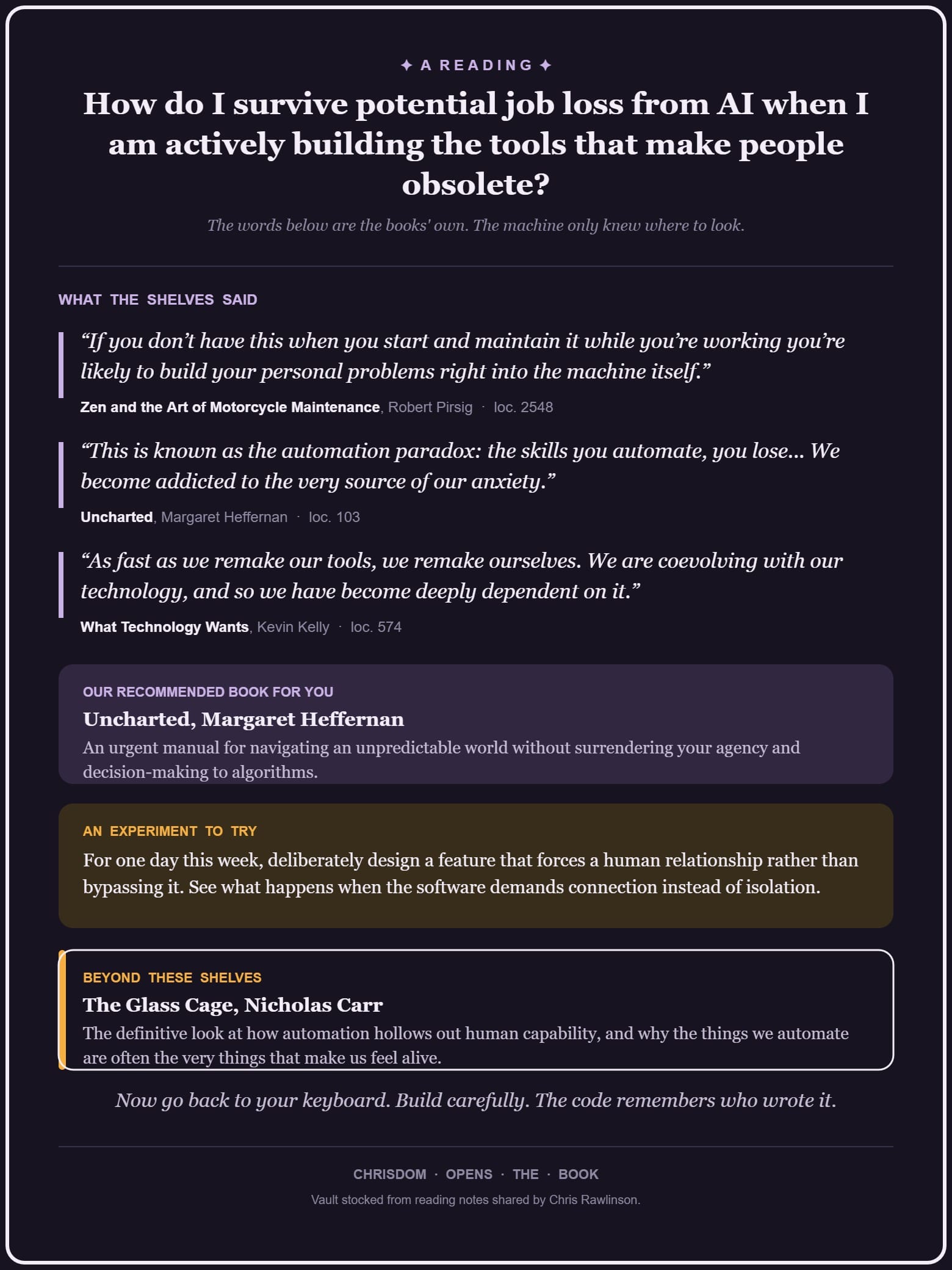
Ask it about, say, creativity or fear or negotiation, and it hands you back the relevant passages verbatim — the actual sentences from the actual books, not a paraphrase. It'll also recommend the most appropriate book beyond the 55, and every recommendation points to the UK Amazon store through an affiliate link, so the tool earns 42courses a few honest pennies while it helps you.
There's an easter egg. Hidden inside is a secret phrase — borrowed from a certain Hitchhiker's Guide to the Galaxy — that flips the whole engine from Gemini (the free default) over to Claude, which thinks rather harder about your question. I'm keeping the phrase to myself, because that's rather the point of a secret, and because every Claude search costs me about $0.10 a query out of my own pocket. There's a pleasing rhyme in it, too — a site built around Chris's 42courses, and the Answer to Life, the Universe and Everything just happens to be 42.
This one took 4–5 hours to build in its current shape. And it's really a rehearsal for something bigger: I've been exporting my Kindle notes and book reviews as HTML, and I want to build a similar wizard that points at all of them — a proper second brain I can actually ask questions of.
What I picked up building it:
- Pulling knowledge out of PDFs — turning a shelf of files into something searchable.
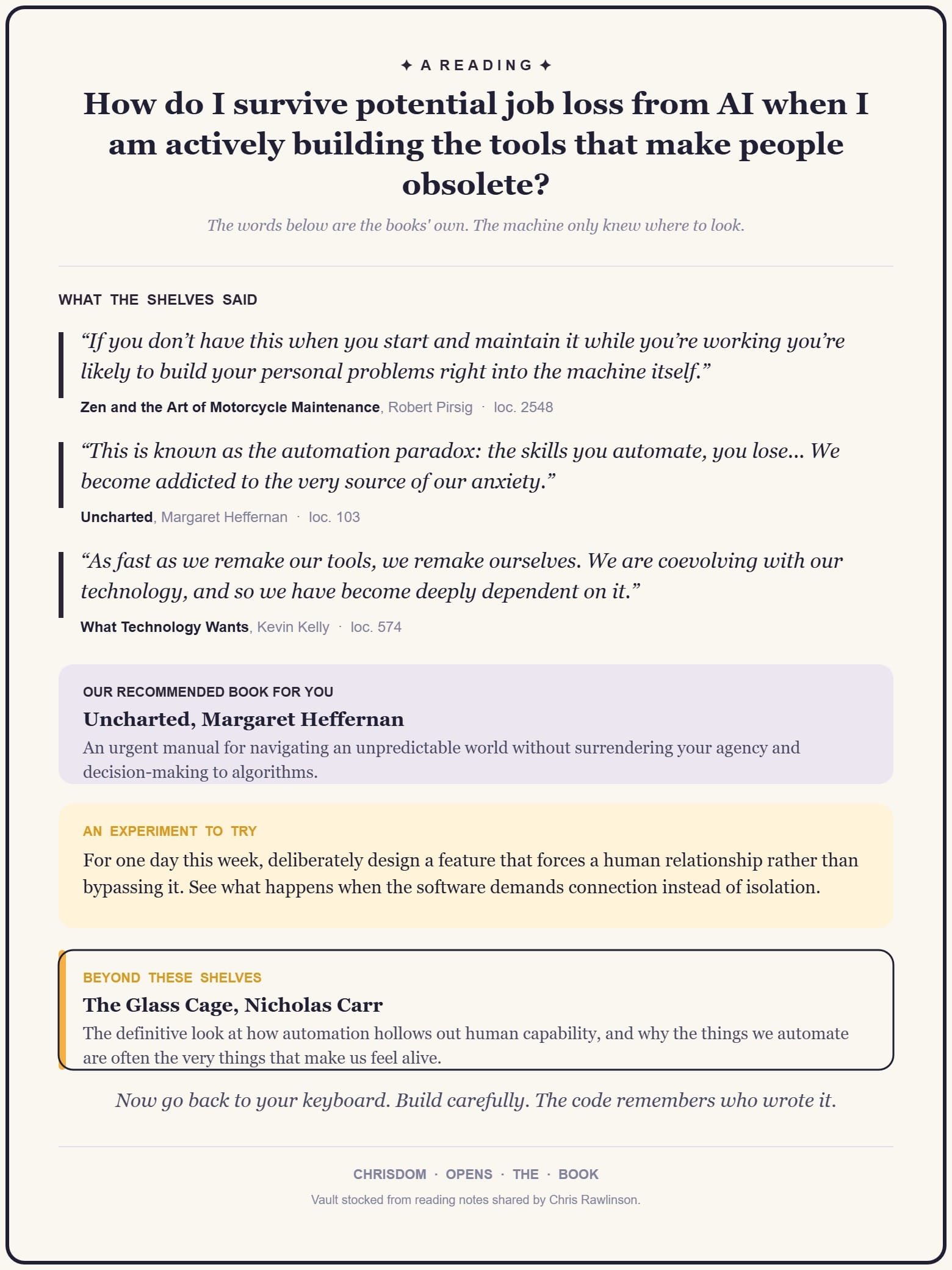
- Building a "results card" you can save straight out as an image or a PDF.
- Day and night mode — a small UX thing that makes the site feel more polished.
The cherry on top: Chris saw the demo and said his team will take my proof of concept, and build a similar more robust and accurate site, and fold it into the 42courses platform as a mini app. You build a little thing over two evenings and someone offers to give it a real home — that's a good week!
Pinball — a game I mostly didn't design
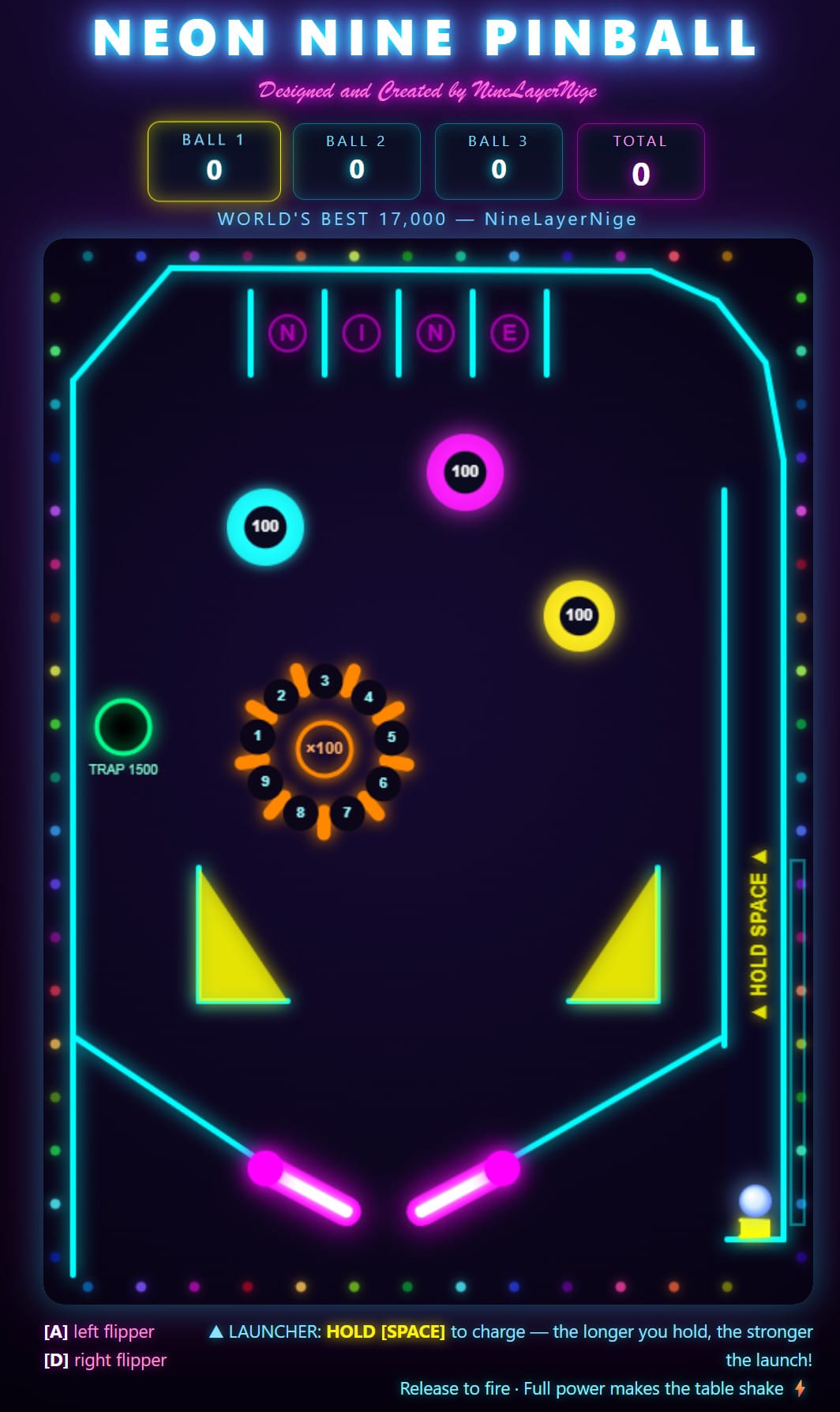
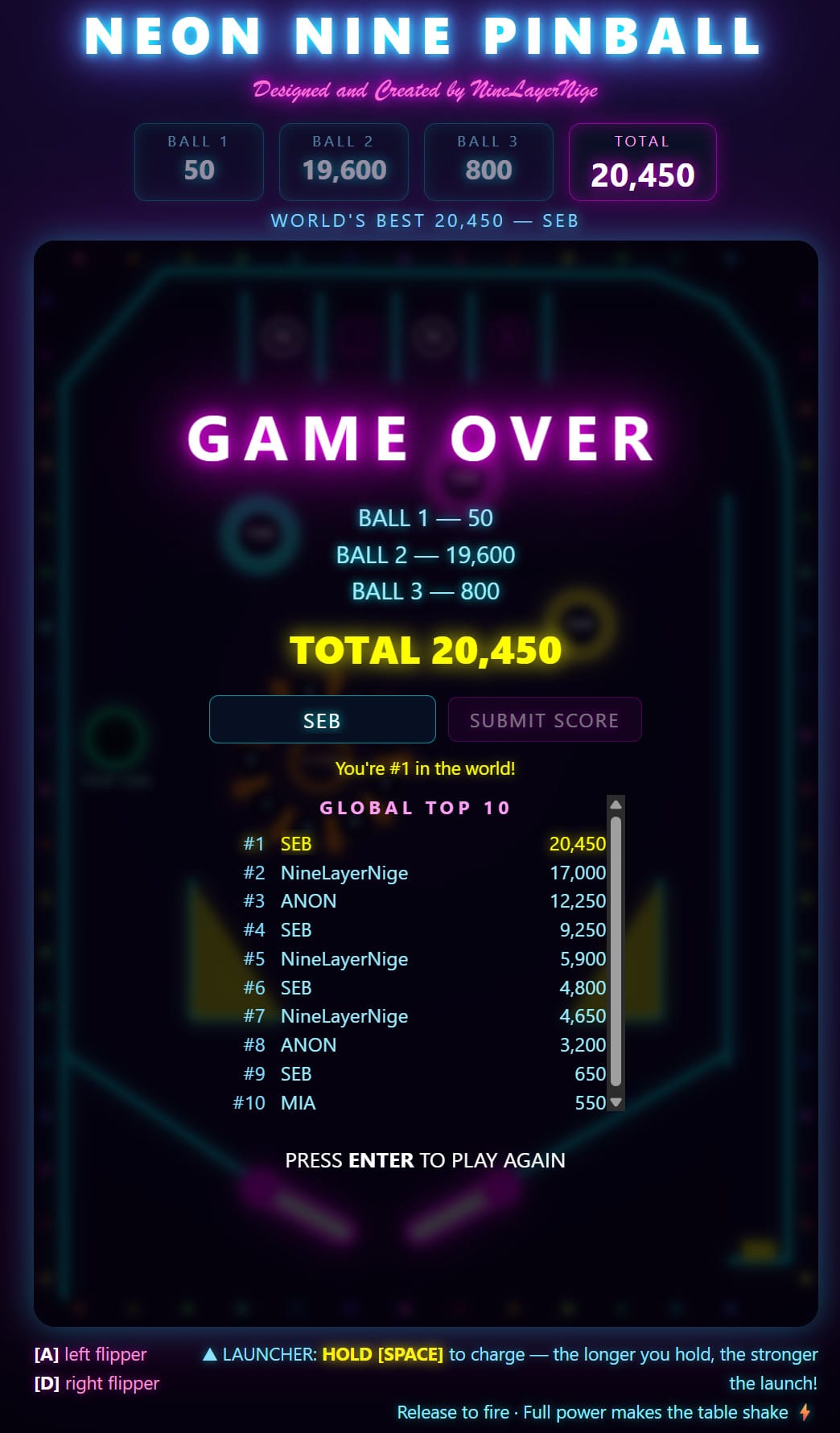
The next one is the most fun, and I can take the least credit for it. pinball.sebastianantony.com
The game itself was designed by NineLayerNige from the UK, whom I've come to know through the Pixaroma Discord. Nige handed me the detailed instructions to build it in Claude Fable, then played the preliminary vesrion and sent back feedback and suggestions, which I incorporated.
My only contribution was the leaderboard — so your high score actually sticks around for the next player to try and beat.
Honest accounting on the time: about three hours, and here's the split that tells the real story — roughly one hour for the pinball game itself, and two hours wrestling the leaderboard into working and deploying it.
he fun part was fast; the plumbing is where the evening goes.
What this one taught me is how much you can pack into a single HTML file, and — thanks to that leaderboard — how to take input from a player and store it so it's still there when they come back. That "still there when they come back" is the whole difference between a toy and a tool.
Go on — have a few flips and try to top the board.
Next Dollar — where should your next dollar go?
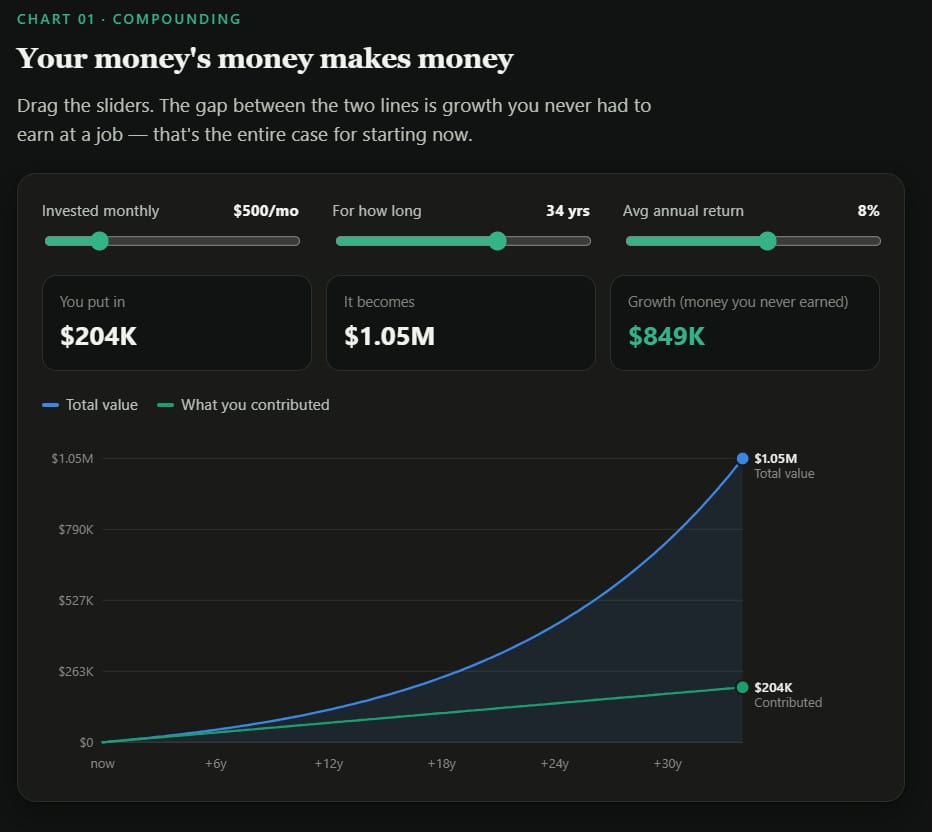
The last one is the quickest and possibly the most useful. nextdollar.sebastianantony.com
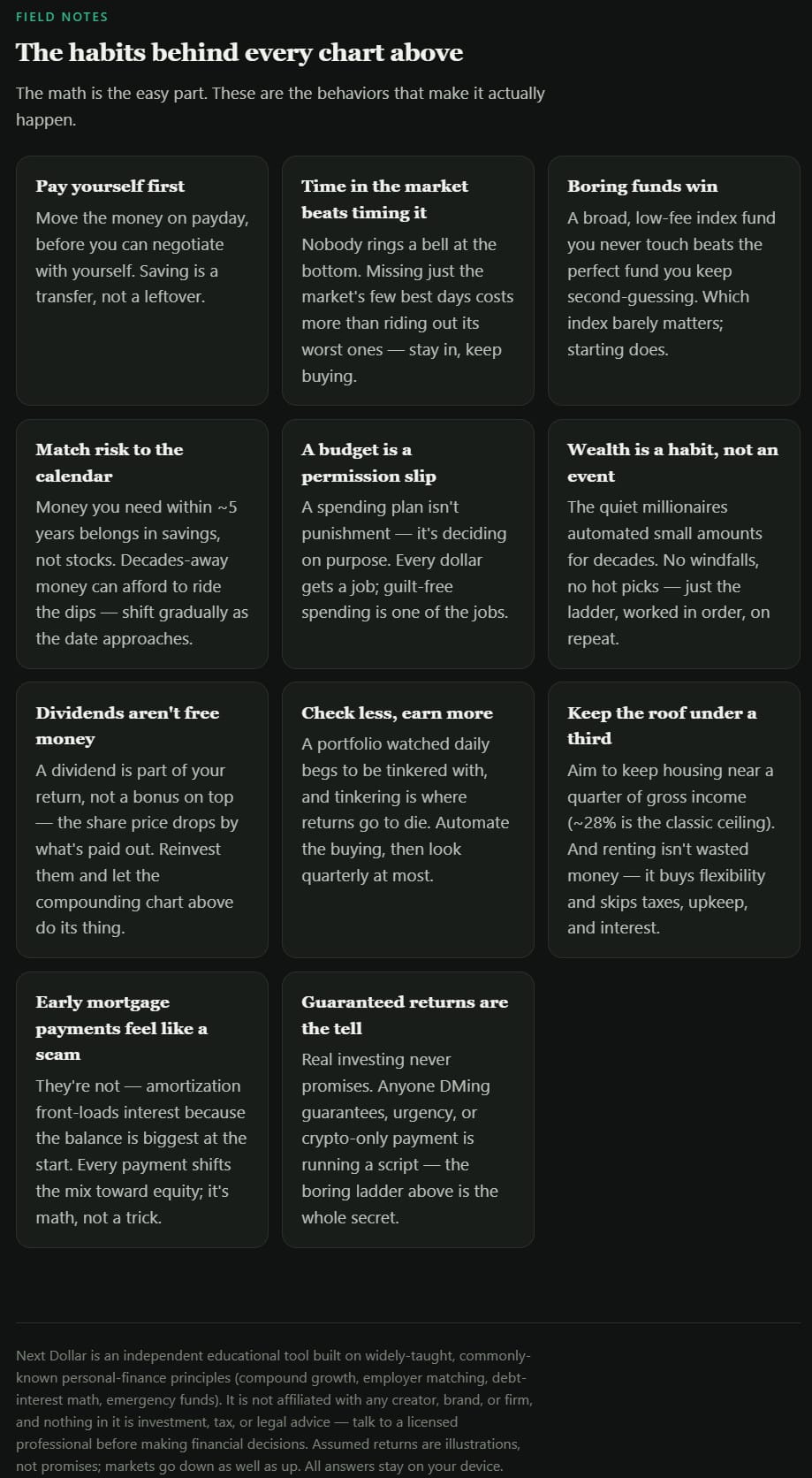
Matt the Money Guy is one of my favourite follows on Facebook and Instagram — sensible, unflashy money advice. I wanted to distill that kind of thinking into a single tool aimed at the 20-to-30-year-olds who read this blog, the ones with the most valuable asset of all and the least idea they're holding it: time. This one came together in maybe an hour, and it does one thing well — it lets you see compound interest instead of being told about it. You move the numbers, and the curve does the arguing for you.
If you're young, or you know someone who is, run a small monthly figure through it and look at the far right of the chart. That number is why everyone keeps telling you to start now.
The End
Three apps in two days, and not one of them was really about the code. Chrisdom is Chris's 55 books; the pinball table is Nige's design; Next Dollar is Matt's advice. All I did was catch what other people already knew and give it a door on the internet — while the tool that let me do it was still within reach.
Disney had it right, but he left off the last half. If you can dream it, you can build it — and these days you can build it before the weekend is out. The trick is simply to start while the lamp is still lit.